


The world of e-commerce and digital strategies evolves rapidly. This blog may contain insights that have since been surpassed by new developments. Curious about the latest trends and fresh perspectives? Dive into our most current articles on Insights.
In Germany, a good offer alone is rarely enough. Before customers even think about completing a purchase, they ask themselves one key question: Can I actually trust this brand? That is where authority comes in. It’s not just a soft, emotional factor but a real driver of growth. This trust is built on three key elements: reviews, trust badges, and overall brand trust.
It’s harder to assess a product online than in a physical store. Reviews and testimonials help bridge that gap. They give potential customers the perspective of people who have already purchased the product and can help reduce doubts about its quality and usefulness. Even just giving customers the opportunity to leave a review sends an important signal: we are transparent and we take your opinion seriously.¹
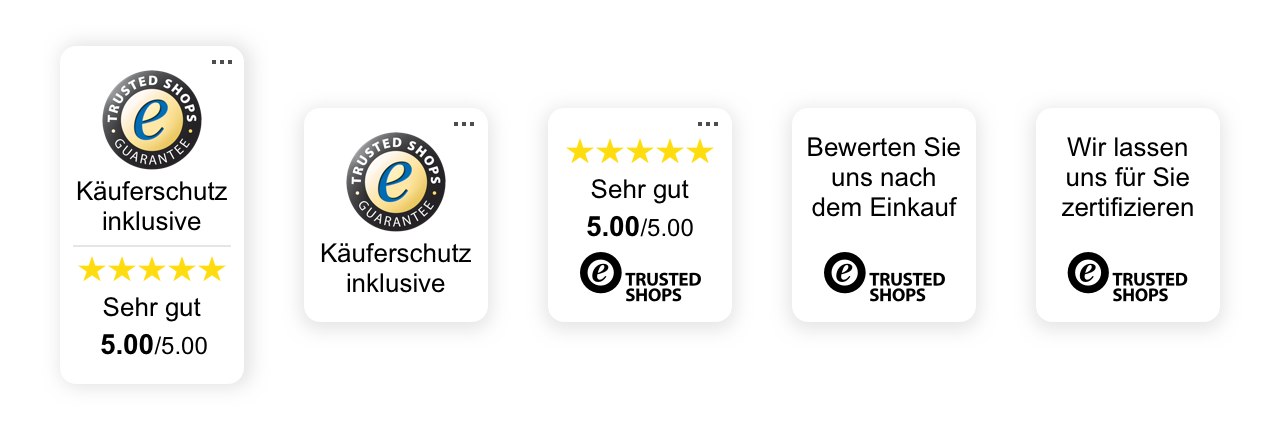
What matters most isn’t necessarily the number of reviews but their authenticity. Reviews should come from genuine customers, negative feedback should be addressed professionally rather than hidden, and the review function should be easy to find. At the same time, a larger number of reviews can show new customers that the brand is already popular and worth considering as part of their purchase decision.¹
Around 70% of all online shopping carts are abandoned, with roughly 17% of these abandonments linked to concerns about payment security.²
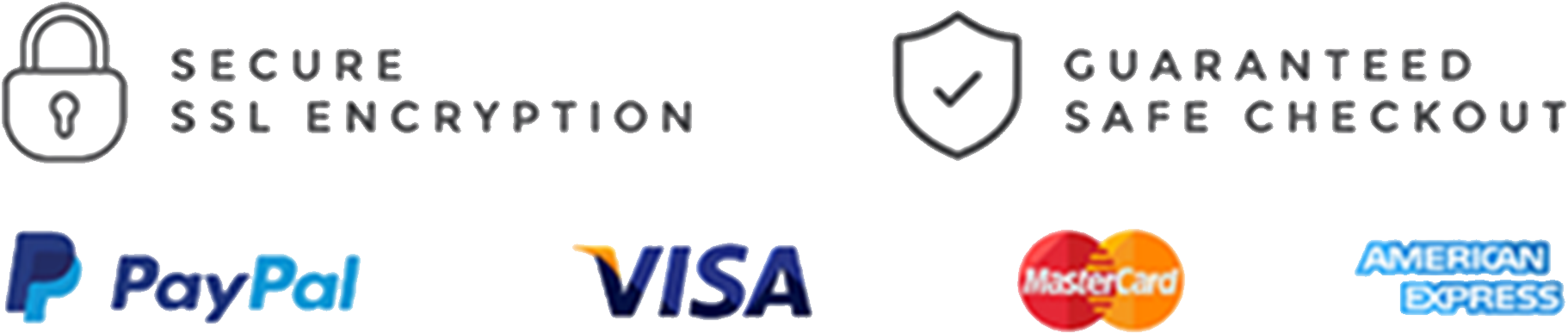
Trust badges can increase confidence without requiring much explanation. Customers recognize familiar payment logos or an SSL security badge during checkout and immediately feel more reassured. The most common types of badges found in online shops include Trusted Shops, security badges such as SSL or secure checkout, payment badges such as PayPal, Visa and Mastercard, third-party endorsement badges, and policy-related badges such as returns or money-back guarantees.²
Trusted Shops is one of the most widely used badges, and many customers are already familiar with it, which is why many online shops choose to display it. Trusted Shops ensures buyer protection but also highlights customer reviews and the average rating. Making this visible on the website shows the brand’s transparency and that the customers’ voices are heard and valued. However, the badges you use should always be relevant to your market. Too many seals and badges can quickly have the opposite effect and weaken the trust they are supposed to build.³
A brand can be very well known without necessarily being trusted. High brand awareness doesn’t prevent customers from being disappointed if a product is faulty or if the service doesn’t live up to the brand’s promises. A lack of transparency can also reduce trust, as can making customers feel that their needs and opinions aren’t being valued or understood.
That’s why it’s important to provide proof, give customers a look behind the scenes, and offer them the opportunity to share their experiences and reviews with others.
A Trusted Shops badge cannot save a brand that provides dishonest or unreliable service. But when genuine customer reviews, relevant trust badges in the right places, consistency between what a brand promises and what it delivers, and transparency all come together, they create a strong foundation that can support customers in their purchase decision, especially when brand awareness is still low.
Curious to learn more? Let’s talk!
Sources:
¹IONOS. “Bewertungen auf Websites: Warum sind sie so wichtig?”
²Shopify. “4 Arten von Trust Badges, die deine Conversions boosten”
³growganic. “Trust Badges: Wie du mit Vertrauensabzeichen die Conversion-Rate erhöhst”


